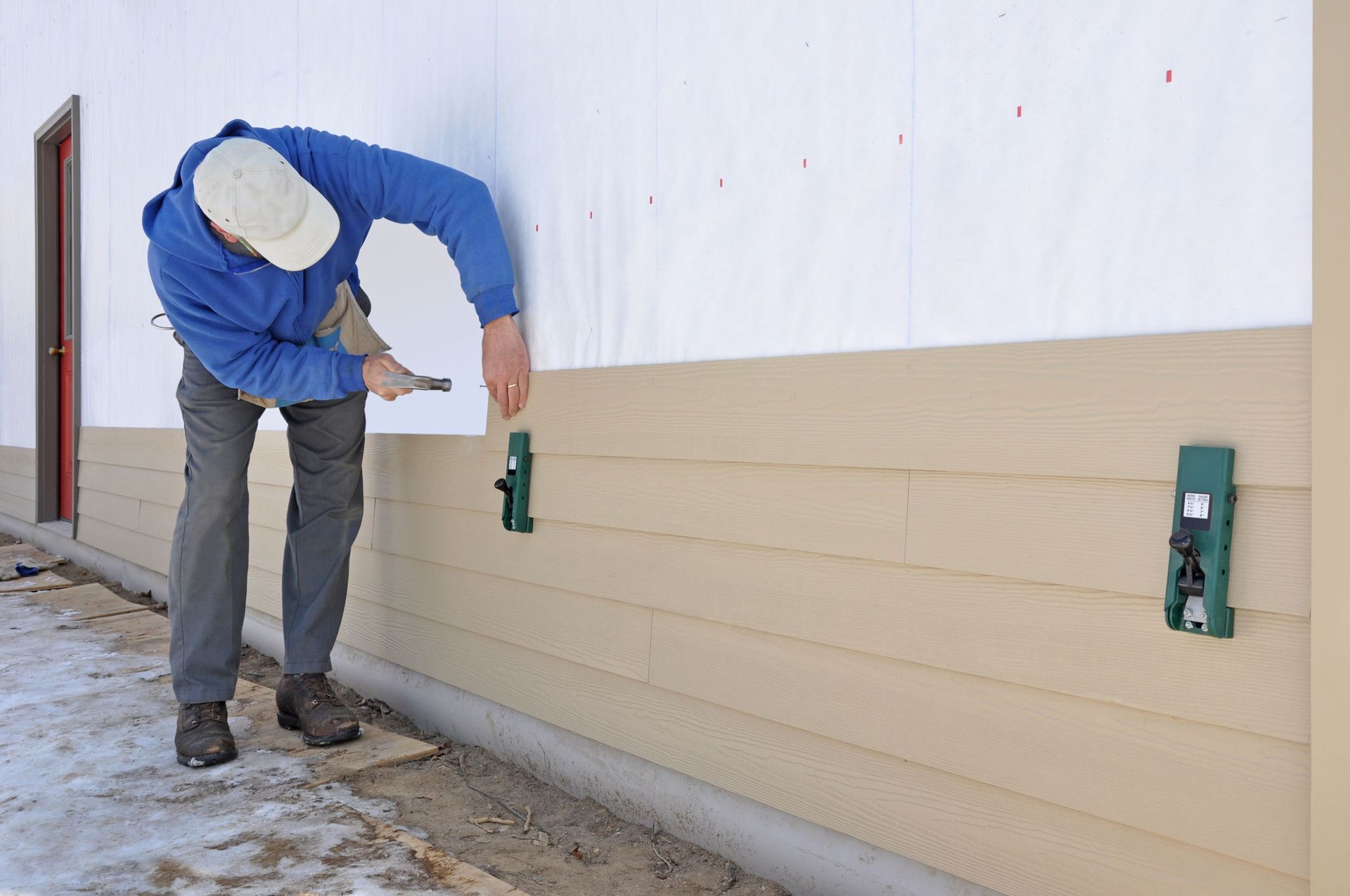
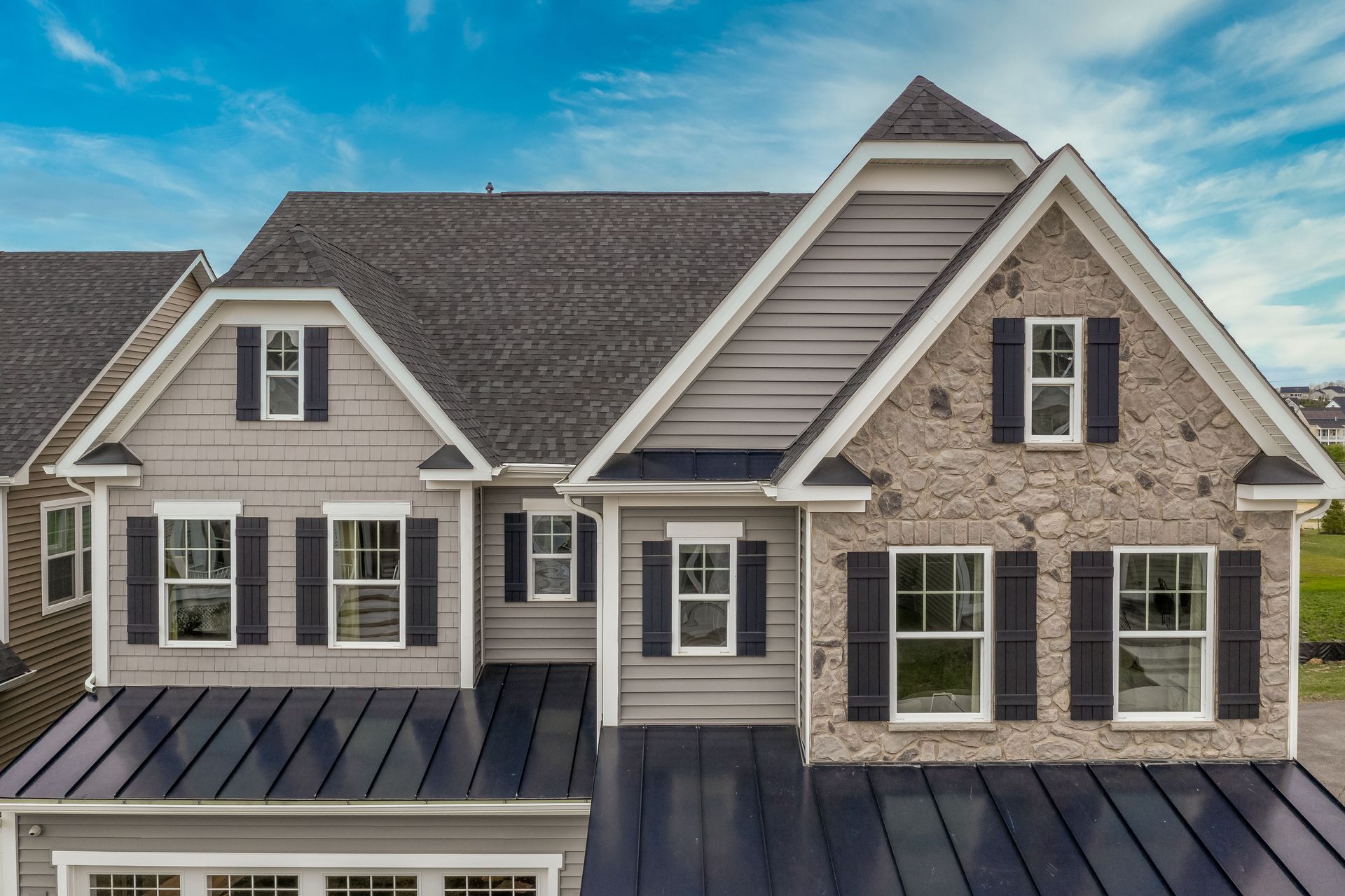
Choosing the right siding color is an important decision for homeowners looking to improve their property's appearance. Exterior colors influence curb appeal, complement architectural features, and establish a home's overall character. While bold shades can create a distinctive appearance, neutral colors remain popular because of their timeless appeal and versatility. According to FIXR, roughly 65% of homeowners currently prefer neutral siding colors like white, off-white, gray, and light shades of blue and brown. This preference highlights the appeal of understated exterior designs that complement different architectural styles. At Arrow Exteriors Inc, we understand how important exterior improvements are to homeowners. As an experienced siding company, we help customers explore siding options that balance appearance, durability, and long-term value. The Visual Appeal of Neutral Siding Colors Creating a Timeless Exterior Appearance Neutral siding colors provide a classic appearance that remains attractive as design preferences change. White, beige, gray, and other subdued shades have been used on residential exteriors for generations because they complement numerous architectural styles. Unlike highly saturated colors that may become less fashionable, neutral shades offer lasting visual appeal. Homeowners can update landscaping, exterior lighting, or decorative accents without necessarily changing their siding. A professional siding company can help homeowners select colors that complement their property's existing features, creating a cohesive exterior that looks attractive for years. Establishing a Welcoming Atmosphere Exterior colors influence how people perceive a home. Soft neutral shades often create a welcoming appearance, making residential properties feel comfortable and inviting. Warm beige and cream tones can create a traditional atmosphere, while soft grays and off-whites provide a contemporary appearance. Light blue and muted brown shades introduce subtle character without overwhelming the design. At Arrow Exteriors Inc, we recognize that every homeowner has different aesthetic preferences. Our goal is to help customers find siding solutions that reflect their style while complementing their home's architecture. Highlighting Architectural Features Neutral siding colors provide an attractive background for distinctive architectural details. Window trim, decorative shutters, entryways, and rooflines become more noticeable when paired with understated exterior colors. For example, white siding with dark trim creates a crisp appearance, while warm gray siding complements natural stone accents. These combinations establish visual contrast without making the exterior appear overly busy. An experienced siding company can help coordinate siding colors with existing materials, ensuring the finished exterior feels balanced. The Design Flexibility of Neutral Siding Colors Complementing Different Architectural Styles One of the greatest advantages of neutral siding colors is their compatibility with different home designs. Traditional colonial homes, modern residences, ranch-style properties, and craftsman houses can all benefit from carefully selected neutral palettes. White and cream shades complement traditional architecture, while charcoal accents paired with light gray siding create a contemporary appearance. Earthy browns and warm beige tones work particularly well with natural materials. Because neutral colors offer flexibility, homeowners can select exterior finishes that enhance their property's character without following temporary design trends. Coordinating With Existing Exterior Materials Residential exteriors typically feature several materials, including roofing, brick, stone, wood, and metal accents. Choosing siding that coordinates with these elements is essential for achieving a unified appearance. Neutral colors simplify this process because they pair naturally with many construction materials. Soft gray siding complements dark roofing, while beige siding coordinates beautifully with brickwork or stone. Working with a professional siding company allows homeowners to consider these relationships before making their final selection. Evaluating the entire exterior helps create a consistent design. Adapting to Changing Design Preferences Homeowners frequently update landscaping, entry doors, outdoor lighting, and decorative features. Neutral siding provides a versatile foundation that accommodates these changes without requiring a complete exterior transformation. A homeowner might introduce colorful flowers, replace shutters, or install a contrasting front door while maintaining the same siding color. These improvements refresh the home's appearance without creating visual conflicts. This adaptability makes neutral siding appealing to homeowners who appreciate design flexibility. A well-chosen exterior color can support different decorative preferences throughout the years. The Practical Benefits of Neutral Siding Colors Supporting Long-Term Curb Appeal Curb appeal plays an important role in how homeowners and visitors perceive a property. A coordinated exterior makes a house appear well-maintained, attractive, and thoughtfully designed. Neutral siding colors contribute to this impression by creating a polished appearance that complements surrounding features. Their understated character allows landscaping, architectural details, and exterior finishes to work together. At Arrow Exteriors Inc, we believe siding improvements should enhance both the appearance and functionality of a home. Selecting an appropriate color helps create an exterior homeowners can appreciate for years. Appealing to Potential Homebuyers When homeowners consider selling their properties, exterior appearance can influence prospective buyers' first impressions. Neutral colors often appeal to a broad audience because they provide a versatile foundation for different personal preferences. A home with neutral siding may allow buyers to imagine their preferred landscaping, decorations, and exterior accents more easily. However, siding color alone does not guarantee a higher resale price. A knowledgeable siding company can help homeowners consider visual appeal alongside material quality and installation requirements. These factors collectively influence the value of an exterior improvement. Considering Maintenance Requirements Siding maintenance depends primarily on the material, product finish, installation quality, and environmental exposure rather than color alone. However, selecting a timeless neutral shade may reduce the desire to change exterior colors simply to follow design trends. Different siding materials require different levels of upkeep. Some products offer durable factory-applied finishes, while others may need periodic painting or additional maintenance. Professional guidance helps homeowners understand these differences. At Arrow Exteriors Inc, we encourage customers to consider both immediate appearance and ongoing maintenance expectations when planning exterior improvements. Evaluating Sunlight and Temperature Exterior color influences how much solar energy a surface absorbs. Lighter shades generally reflect more sunlight than darker colors, potentially reducing heat buildup on siding exposed to direct sunshine. However, actual energy performance depends on numerous factors, including insulation, ventilation, wall construction, climate, and siding materials. Choosing light-colored siding does not automatically produce substantial utility savings. Homeowners should consider sunlight exposure and environmental conditions alongside aesthetic preferences. A qualified siding company can explain available material options and help customers make informed decisions. The Professional Selection of Neutral Siding Colors Evaluating the Home's Existing Features Selecting a siding color involves more than choosing an appealing sample. Roofing materials, window frames, architectural details, and surrounding landscaping influence how a finished exterior will look. For example, warm beige complements natural stone, while cooler gray coordinates with black window frames and contemporary roofing materials. Professional evaluation helps homeowners identify combinations that suit their property. Considering these elements before installation prevents disappointing color combinations and supports a cohesive finished appearance. Comparing Available Siding Materials Color is only one consideration when planning a siding project. Homeowners should also evaluate material durability, weather resistance, maintenance expectations, and installation requirements. Different siding products offer distinct benefits, and available colors or finishes vary by manufacturer. Selecting the appropriate combination requires understanding how materials perform under local environmental conditions. At Arrow Exteriors Inc, we believe customers deserve clear information about their exterior improvement options. Working with a dependable siding company helps homeowners make decisions that reflect their design goals, practical needs, and budgets. Planning for Professional Installation Even attractive siding materials can underperform when installed incorrectly. Proper installation is essential for maintaining the exterior's appearance and protecting the home from moisture-related problems. Professional installers evaluate surface conditions, follow manufacturer requirements, and address important details around windows, doors, corners, and other exterior transitions. Homeowners benefit from having experienced professionals manage these technical considerations rather than attempting complicated installation work themselves. Quality workmanship supports the siding's intended performance and creates a consistent finished appearance. Choosing an Exterior That Lasts Neutral siding colors continue to attract homeowners because they combine visual versatility with timeless design. From soft whites and warm beiges to subtle grays and muted blues, these shades complement a wide variety of residential properties. The best exterior improvements balance color preferences with appropriate materials, professional installation, and long-term maintenance considerations. Evaluating these factors helps homeowners make confident decisions. At Arrow Exteriors Inc, we're committed to helping homeowners achieve attractive, functional exteriors. If you're considering updating your home's siding, contact our team to discuss your options and discover how professional siding services can enhance your property's appearance.
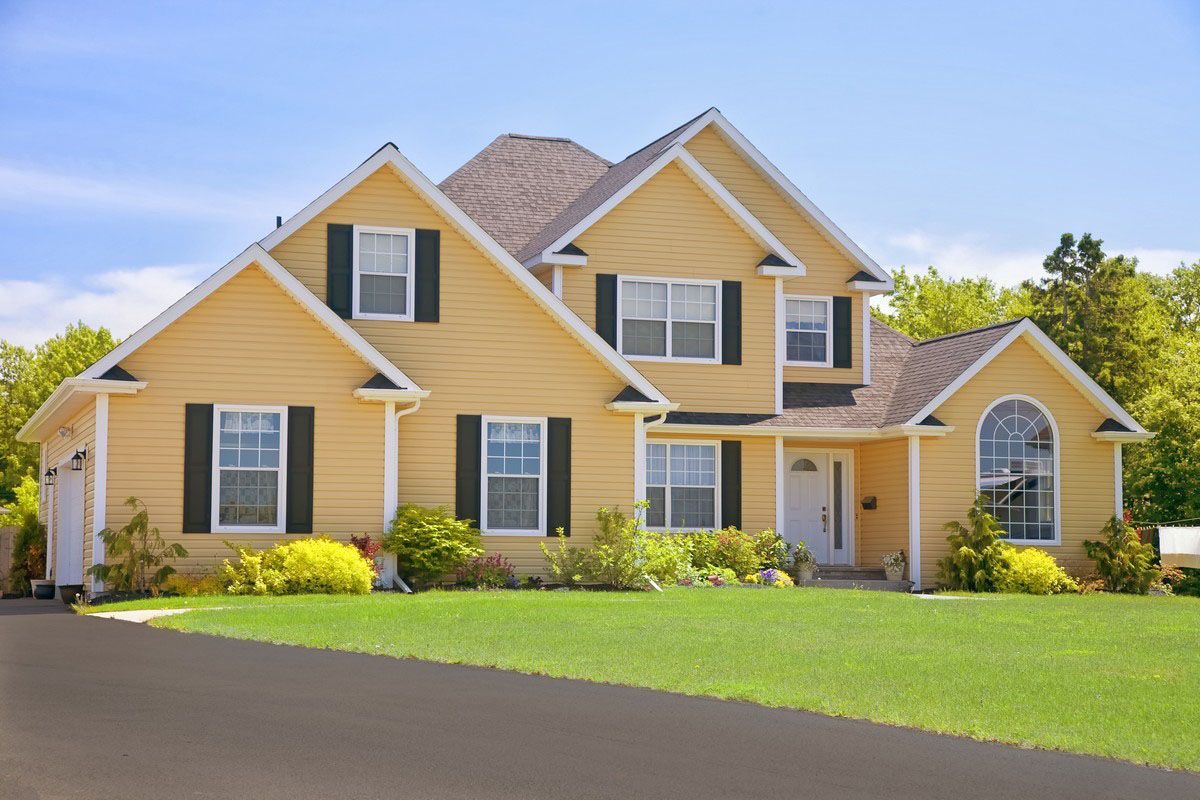
Boost curb appeal and protection with our expert guide. Hire a professional siding company for durable, high-quality exterior results.
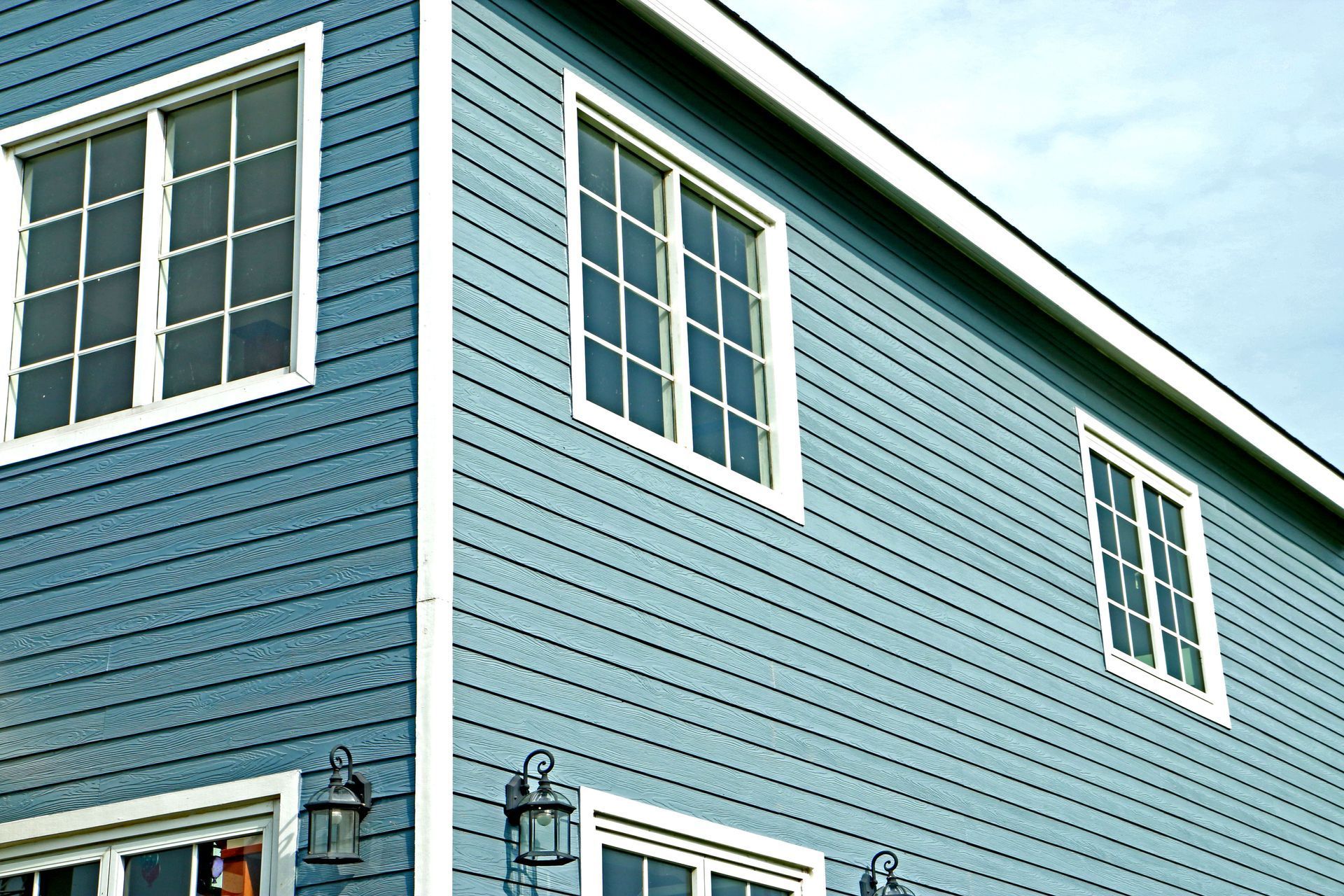
Do you have questions about siding companies? Read this blog to learn more about why vinyl siding is the right option for your home.