April 27, 2026
Replacing home siding is a major investment that affects protection, efficiency, and curb appeal. We approach this decision by weighing the demands of the project against the value of experienced installation. The right path depends on how well the scope, materials, timeline, and risks align with your expectations. Working with a qualified siding company can often clarify these factors early and prevent costly missteps.
1. Evaluate the Full Scope of the Project
A siding replacement starts with a detailed look at your home’s exterior condition. We inspect for cracks, warping, moisture damage, and structural concerns that may sit beneath the surface. These hidden issues often expand the scope beyond a simple panel replacement and require careful planning. A professional siding company typically identifies these risks faster and builds them into a realistic project plan.
Homes with multiple elevations, dormers, or custom architectural details add complexity that directly impacts installation. We account for how these features affect material cuts, alignment, and weatherproofing. Even small inconsistencies in framing or sheathing can influence the final result. Addressing these variables upfront reduces delays and prevents uneven finishes later.
Accurate measurements and documentation are essential before any materials are ordered. We calculate square footage, waste factors, and accessory components like trim and insulation. Missing these details can lead to shortages or mismatched sections mid-project. Clear planning ensures a smoother process from start to finish.
2. Choose the Right Siding Materials
Material selection plays a major role in durability, maintenance, and long-term cost. We often compare vinyl, wood, and fiber cement based on performance and appearance. According to Today’s Homeowner, James Hardie siding requires little maintenance when compared to other options. That makes it a strong choice for homeowners who want longevity without constant upkeep.
Each material also comes with unique handling and installation requirements. Heavier options like fiber cement demand precise cutting tools and proper support during placement. We consider whether the installation environment and available tools match the material’s demands. A siding contractor ensures proper installation techniques are followed to protect warranties and performance.
Beyond the panels themselves, we factor in trim pieces, fasteners, moisture barriers, and insulation. These components are critical to preventing water intrusion and improving energy efficiency. Overlooking them can compromise the entire system. A complete material strategy keeps the project aligned with both performance and appearance goals.
3. Plan the Project Timeline Realistically
Time is one of the most underestimated aspects of siding replacement. We evaluate how long each phase will take, from preparation to final inspection. Weather, material availability, and structural repairs can all extend the timeline. Without a clear schedule, projects can disrupt daily routines longer than expected.
Professional crews typically complete installations faster due to experience and coordination. A skilled siding company works with established processes that reduce downtime and keep progress consistent. This efficiency is especially valuable for larger or more complex homes. Faster completion also minimizes exposure to weather during the project.
Even with a solid plan, flexibility is necessary to handle unexpected delays. We build buffer time into the schedule to account for surprises. Rushing through installation often leads to mistakes that require rework. A realistic timeline supports better results and less stress overall.
4. Assess Tools and Equipment Needs
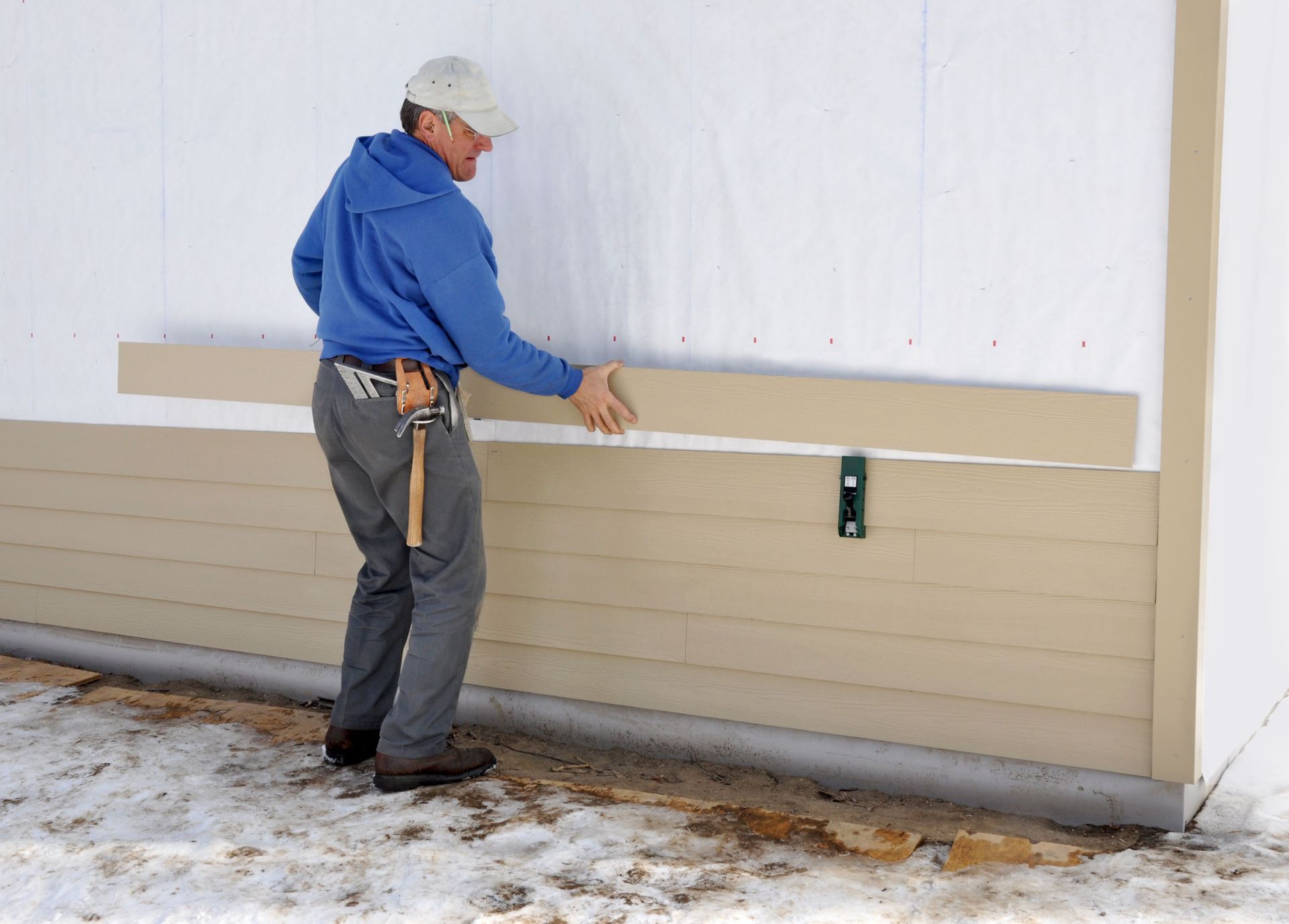
Siding installation requires more than basic hand tools. We rely on specialized equipment like cutting tools, fastening systems, and safety gear to complete the job correctly. The type of siding selected determines the level of equipment required. Without the right tools, achieving a clean and secure finish becomes difficult.
Access equipment, such as ladders or scaffolding, is also a major consideration. Working at height introduces safety risks that must be managed carefully. A professional siding company already has the necessary equipment and training to handle these conditions. This reduces liability and improves overall efficiency.
Tool quality directly impacts the final appearance of the siding. Poor cuts or improper fastening can lead to gaps, warping, or long-term damage. We prioritize precision at every step to ensure durability. Having the right setup from the start makes a measurable difference in results.
5. Understand Installation Complexity
Every home presents unique installation challenges that influence the overall approach. We consider window placement, corner transitions, and ventilation requirements when planning the layout. These details require careful alignment to maintain both function and appearance. Even minor errors can affect water resistance and insulation performance.
Material-specific techniques must also be followed closely. Expansion gaps, fastening patterns, and layering methods vary depending on the siding type. A knowledgeable siding company ensures these standards are met consistently. This level of precision protects the structure and extends the life of the siding.
Breaking the project into phases helps manage complexity more effectively. We focus on completing one section at a time with attention to detail. This structured approach reduces errors and improves overall quality. Consistency across all sections is key to a professional finish.
6. Build a Clear and Accurate Budget
Budget planning goes beyond material costs alone. We include labor, equipment, disposal, and potential repairs in the total estimate. Each of these elements contributes to the final investment. Overlooking smaller costs can quickly push the project beyond expectations.
Material pricing varies based on quality, availability, and market demand. We compare options carefully to balance durability with cost efficiency. A reputable siding company often guides where to invest and where to save. This helps maintain quality without overspending.
Unexpected expenses are common in exterior projects. Hidden damage or structural issues can add to the total cost. We recommend setting aside a contingency budget to handle these situations. Being financially prepared keeps the project moving without unnecessary delays.
7. Compare Value Between Approaches
Evaluating overall value means looking beyond upfront costs. We consider long-term performance, maintenance, and potential repairs when comparing options. Lower initial expenses can lead to higher costs over time if installation quality is compromised. A well-installed system delivers better return on investment.
Professional installation often includes warranties that protect both materials and workmanship. This added layer of security reduces future risk. Choosing an experienced siding company ensures accountability throughout the project. That assurance is difficult to replicate without professional support.
Time investment is another important factor in overall value. Longer project durations can disrupt daily life and create additional stress. Efficient completion minimizes these impacts. Balancing cost, time, and quality leads to a more practical decision.
8. Choose the Right Contractor Carefully
Selecting the right contractor is one of the most important steps in the process. We look for proven experience, proper licensing, and strong customer feedback when evaluating options. Clear communication and detailed estimates are also essential indicators of professionalism. These factors help ensure expectations are met from start to finish.
A reliable siding company will walk through the project scope, materials, and timeline in detail. This transparency builds confidence and prevents misunderstandings later. We also recommend reviewing past projects to assess workmanship quality. Seeing real results provides valuable insight into what to expect.
Strong contractor relationships lead to smoother project execution. Open communication allows for quick adjustments when needed. This collaboration helps maintain quality and efficiency throughout the process. Choosing the right partner sets the tone for the entire project.
Replacing home siding requires careful planning, realistic expectations, and the right level of expertise. We approach each project with a focus on durability, efficiency, and long-term value. Whether managing complexity, budgeting accurately, or selecting materials, every decision impacts the outcome. For dependable results and expert guidance, connect with Arrow Exteriors Inc to move your siding project forward with confidence.